
The holidays are often described as “the most wonderful time of the year,” but the reality is more complex. The psychology of the holiday season helps explain why we feel joy, stress, nostalgia, and sometimes even sadness all at once. Understanding these patterns is useful for anyone interested in psychology—and especially for students exploring online psychology degrees, counseling programs, or courses in social behavior.
Here are 10 important things to know about how the mind works during this unique time of year.
Traditions Trigger Powerful Emotions.

Family rituals, cultural celebrations, and yearly traditions shape the emotional impact of the holidays. Research from psychologist Emile Durkheim suggests that shared rituals strengthen community bonds. In many psychology of the holiday season courses, students learn how repeated experiences build emotional meaning over time.
Holiday Stress Is Real—and Common.
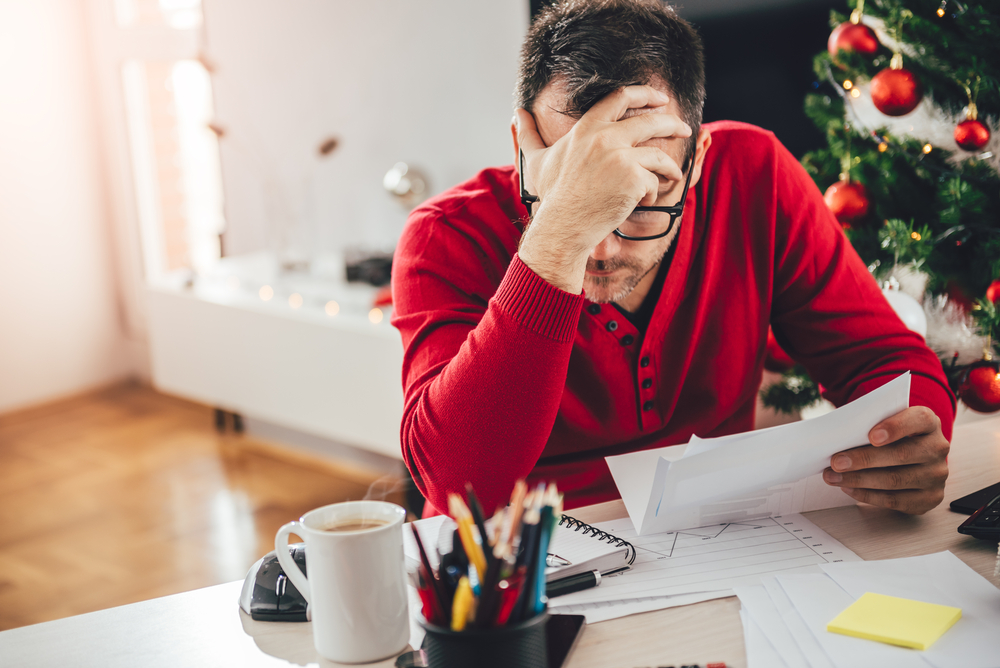
Not everyone feels cheerful in December. There are many factors that can increase holiday stress and mental health challenges. These may include:
- financial pressures
- social expectations
- busy schedules
A study from the American Psychological Association (APA) found that over half of adults feel stressed during the holidays. Students in abnormal psychology or stress-management courses often study how stress affects the nervous system.
Nostalgia Boosts Mood.
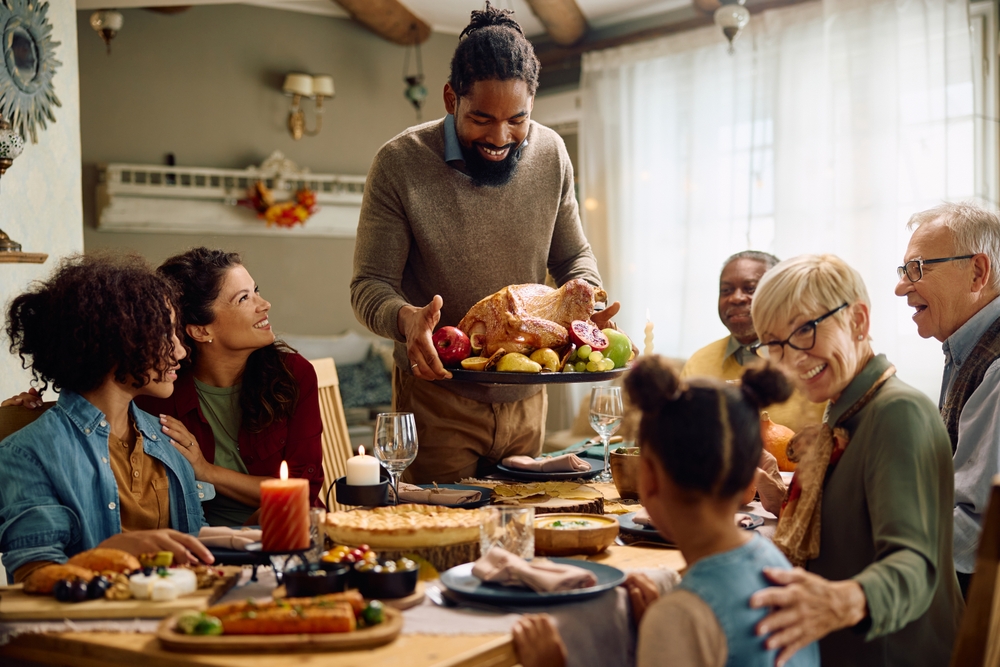
Hearing an old song or smelling a favorite holiday dish can spark nostalgia. According to research by psychologist Constantine Sedikides, nostalgia has the ability to:
- improve mood
- increase feelings of belonging
- reduce anxiety
Many students in social psychology courses learn how memories shape our reactions during the psychology of the holiday season.
Loneliness Peaks for Some People.
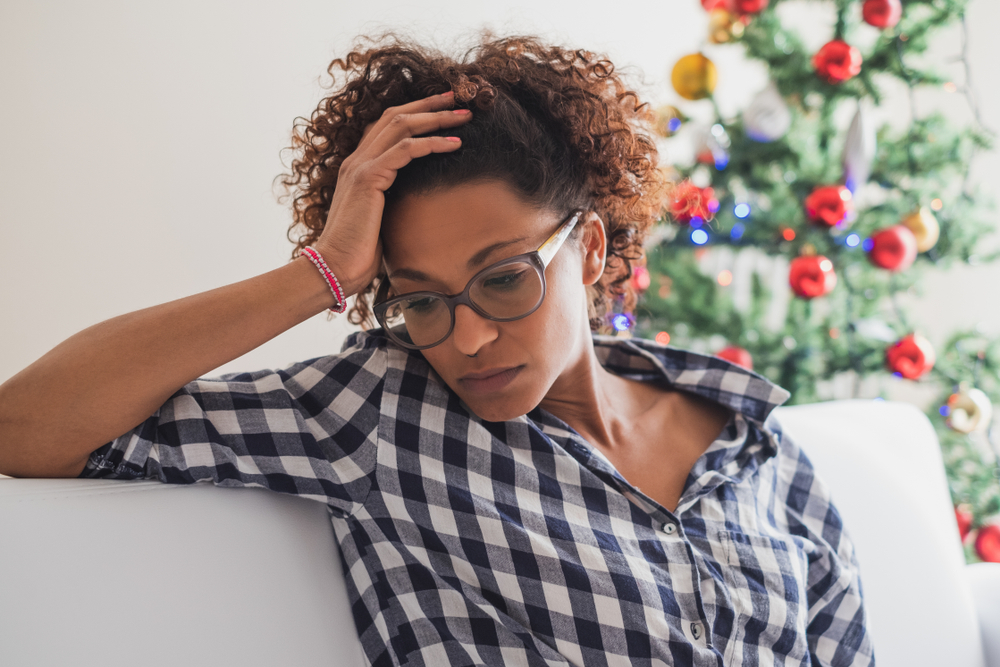
Even surrounded by people, many individuals feel isolated this time of year. Studies from the University of Chicago show loneliness can increase during major holidays. Understanding loneliness is a key part of counseling and mental-health degree programs, especially when exploring holiday season depression and emotional patterns.
Gift-Giving Creates Brain Rewards.

Giving gifts activates the brain’s reward centers, according to research published in Science. This explains why many people feel joy when helping others. Students studying behavioral psychology or positive psychology often explore these psychological effects of holidays.
Featured Programs
Holiday Anxiety Is Linked to Social Pressure.

Parties, family gatherings, and expectations can create social anxiety. Holiday anxiety psychology research shows that people often feel pressured to appear happy, even when they’re overwhelmed. This topic is common in some of the courses taken when earning online psychology degrees. The courses may cover topics such as:
- social behavior
- group dynamics
- health psychology
Memories Shape How We Experience the Season.
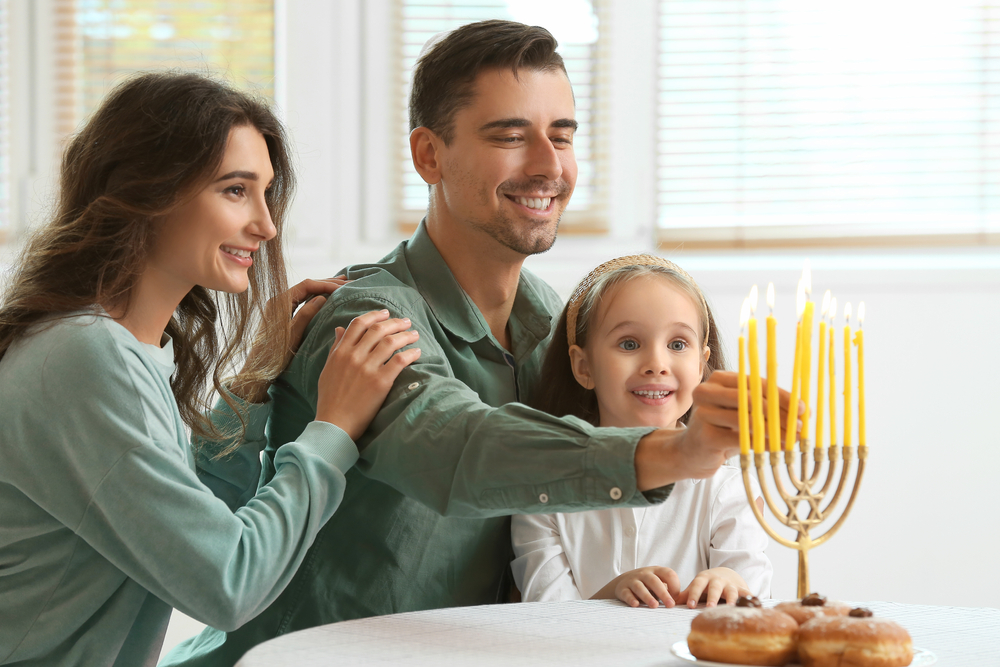
Your childhood holidays might influence how you feel as an adult. Psychologist Elizabeth Loftus’s research on memory shows that memories—especially emotional ones—are powerful but not always accurate. Students in cognitive psychology programs learn how memory plays into the psychology of the holidayseason.
Seasonal Affective Disorder Can Intensify Emotions.

Shorter days and less sunlight affect mood. Seasonal Affective Disorder (SAD) can heighten sadness or anxiety during the holidays. Many counseling and clinical psychology programs teach students how SAD overlaps with holiday season depression and general mental-health concerns.
Social Comparison Increases Holiday Stress.
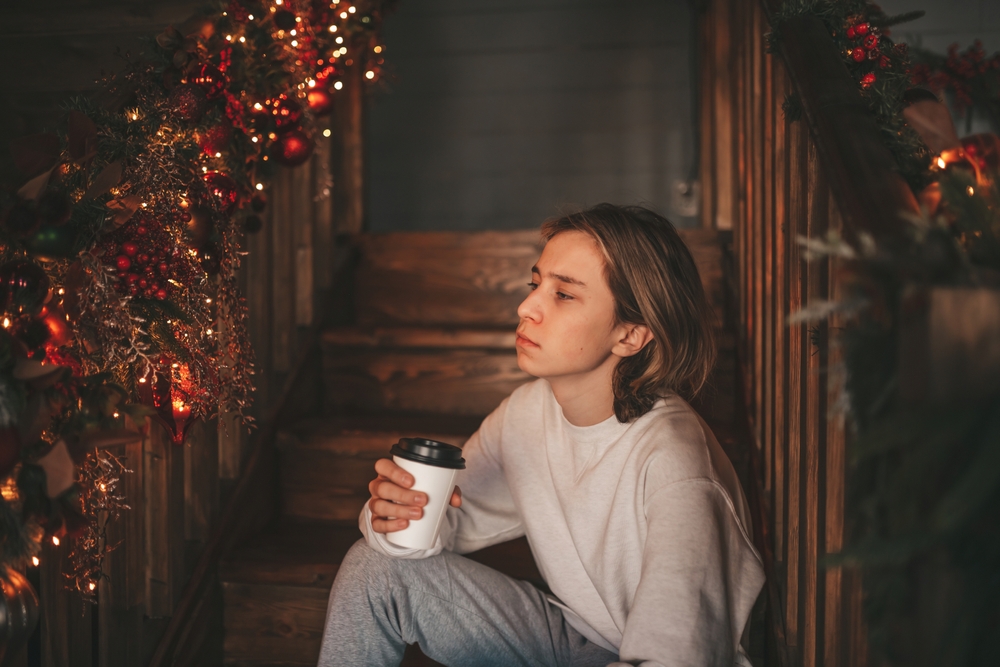
Seeing “perfect holidays” on social media can make people feel inadequate. Psychologist Leon Festinger’s social comparison theory explains why people compare themselves to others and feel pressure to meet unrealistic standards. Students studying media psychology often analyze how these comparisons affect the psychology of the holiday season.
Gratitude Helps Reduce Stress.

Despite challenges, gratitude practices—like journaling or reflecting on positive moments—can boost well-being. Research from Dr. Robert Emmons shows that gratitude reduces stress and improves mood. Many online psychology programs include positive psychology or wellness courses that teach these strategies for improving holiday stress and mental health.
Final Notes on Why Understanding This Matters for Psychology Students
For students exploring online psychology degrees, there are courses which often cover the psychology of the holiday season and help explain why this time triggers so many emotions. These courses may include:
- Social Psychology
- Cognitive Psychology
- Behavioral Science
- Counseling Theory
These insights are valuable for careers in mental-health counseling, school psychology, human services, or community outreach—especially when helping people manage holiday stress, holiday anxiety psychology, and the broader psychological effects of holidays.
Related Resources:

