
Museums are more than places to look at art or artifacts—they are carefully designed environments that shape how we think, feel, and learn. The psychology of museums explores how people interact with exhibits, why certain displays stick with us, and how museums influence learning in powerful ways.
If you’re interested in an online psychology degree, this topic often connects to courses in social psychology, cognitive psychology, and even design-focused programs. Let’s break down 10 things to know about the psychology of museums and why it matters.
Museums Are Designed to Guide Your Attention
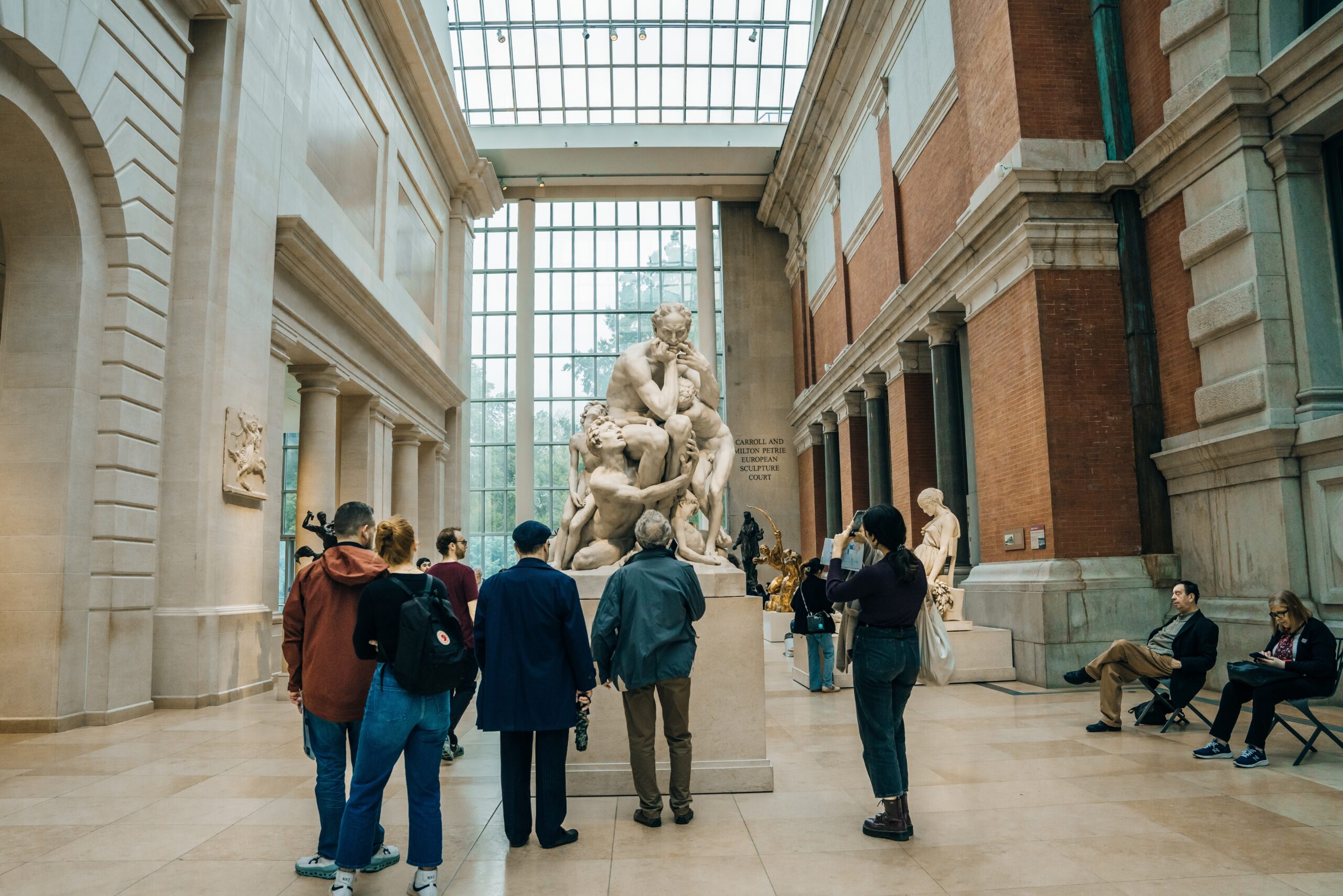
Museums don’t just place items randomly. Curators carefully decide where things go, how lighting works, and what information is included. All of this is part of museum experience design.
Researchers like Stephen Bitgood have studied how layout and signage affect museum visitor behavior, showing that people are more likely to engage with exhibits that are easy to navigate.
In college, this topic often appears in Environmental Psychology or Design Psychology courses.
People Don’t Read Everything
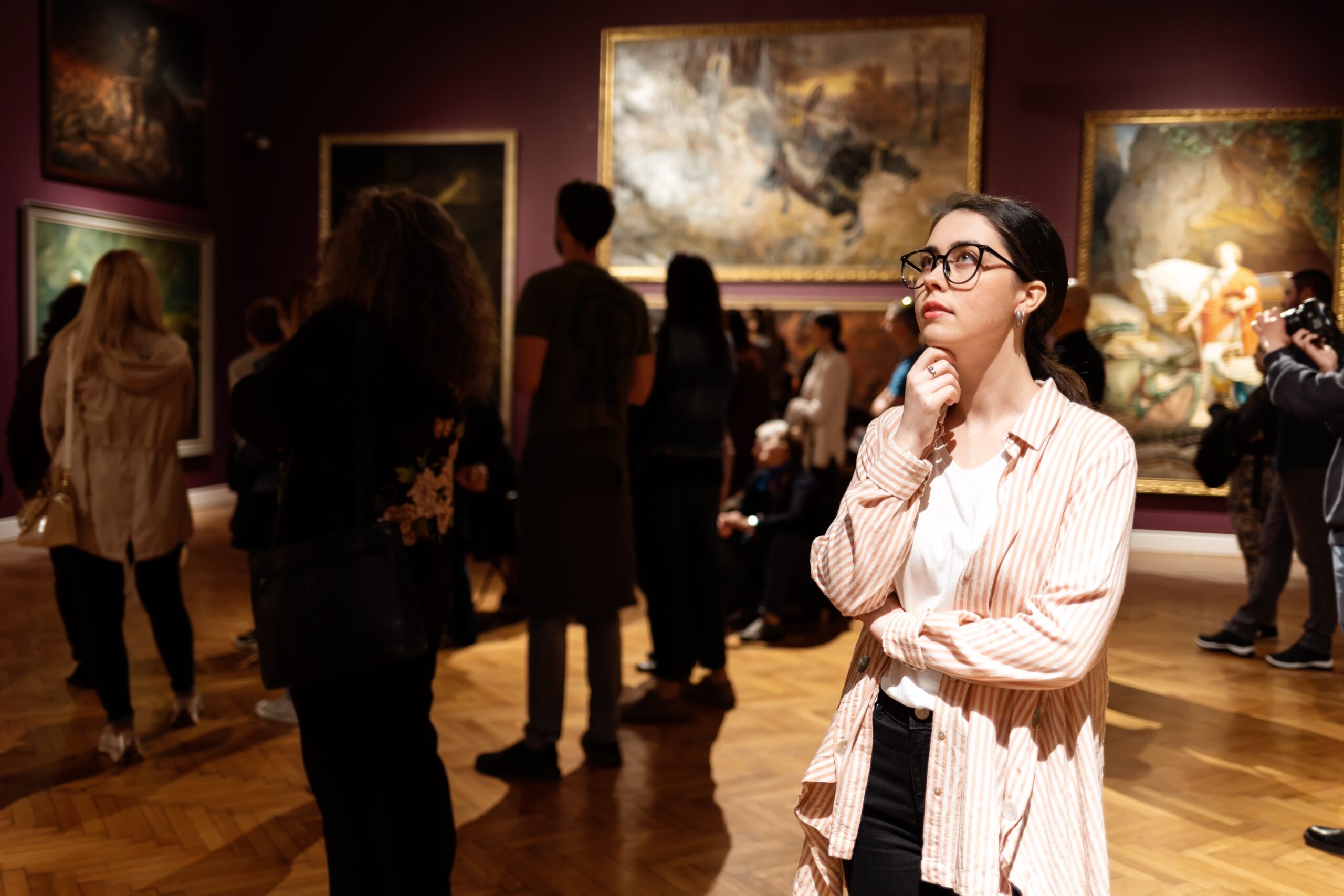
Most visitors skim rather than read every label. Studies show that people spend only a few seconds at many exhibits. That’s why museums use short, clear text and strong visuals.
Understanding how museums influence learning means knowing how attention works. This idea is often covered in Cognitive Psychology, where students learn about attention spans and information processing.
Emotions Play a Big Role in Learning
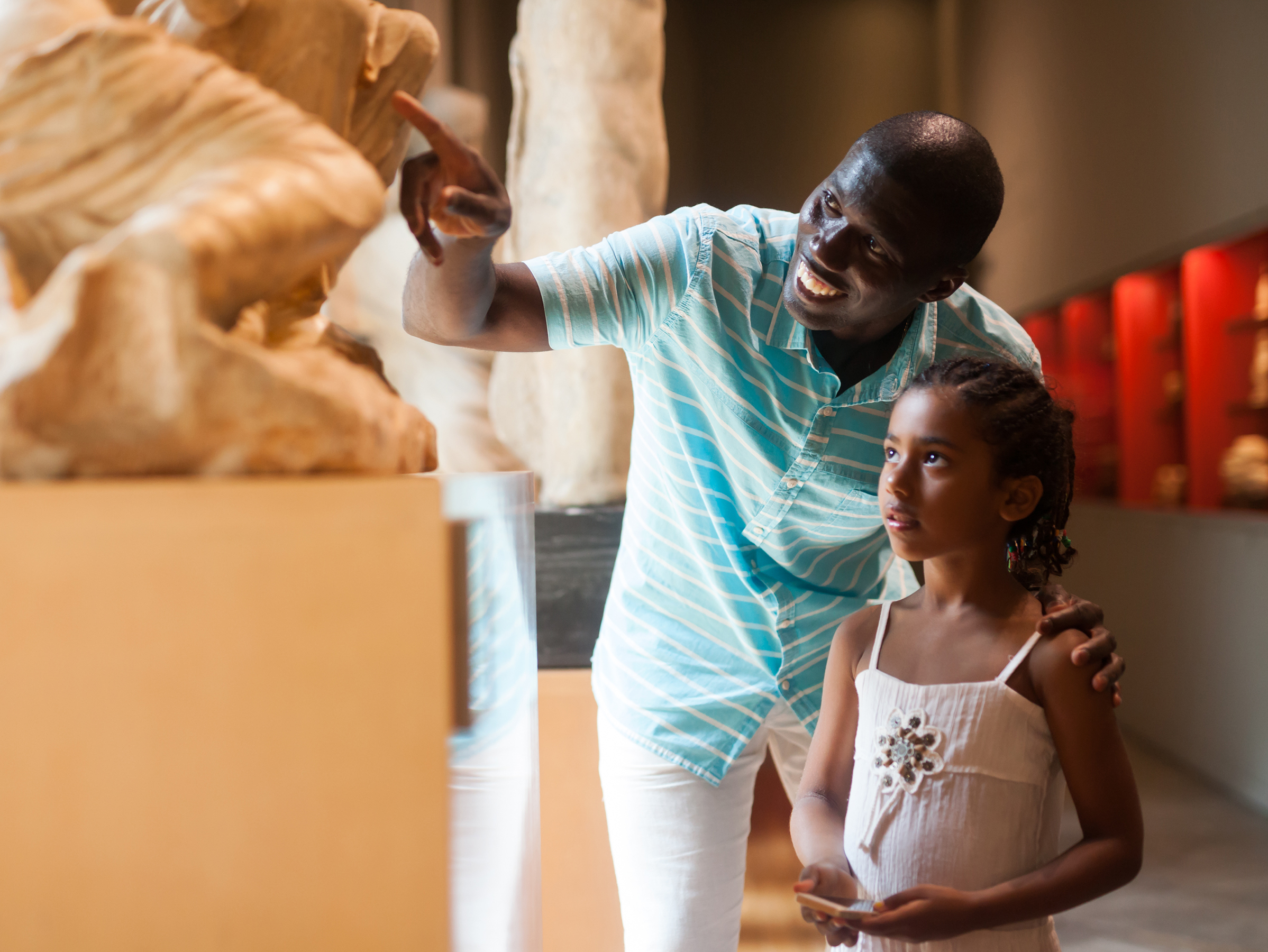
The emotional impact of museums is one of their strongest tools. Exhibits that make people feel something—wonder, sadness, curiosity—are more likely to be remembered.
Psychologist Paul Ekman helped identify universal human emotions, which museums often tap into when designing exhibits.
Courses like Emotion and Motivation or Affective Psychology explore how feelings shape learning and memory.
The Psychology of Art Perception Shapes What We See
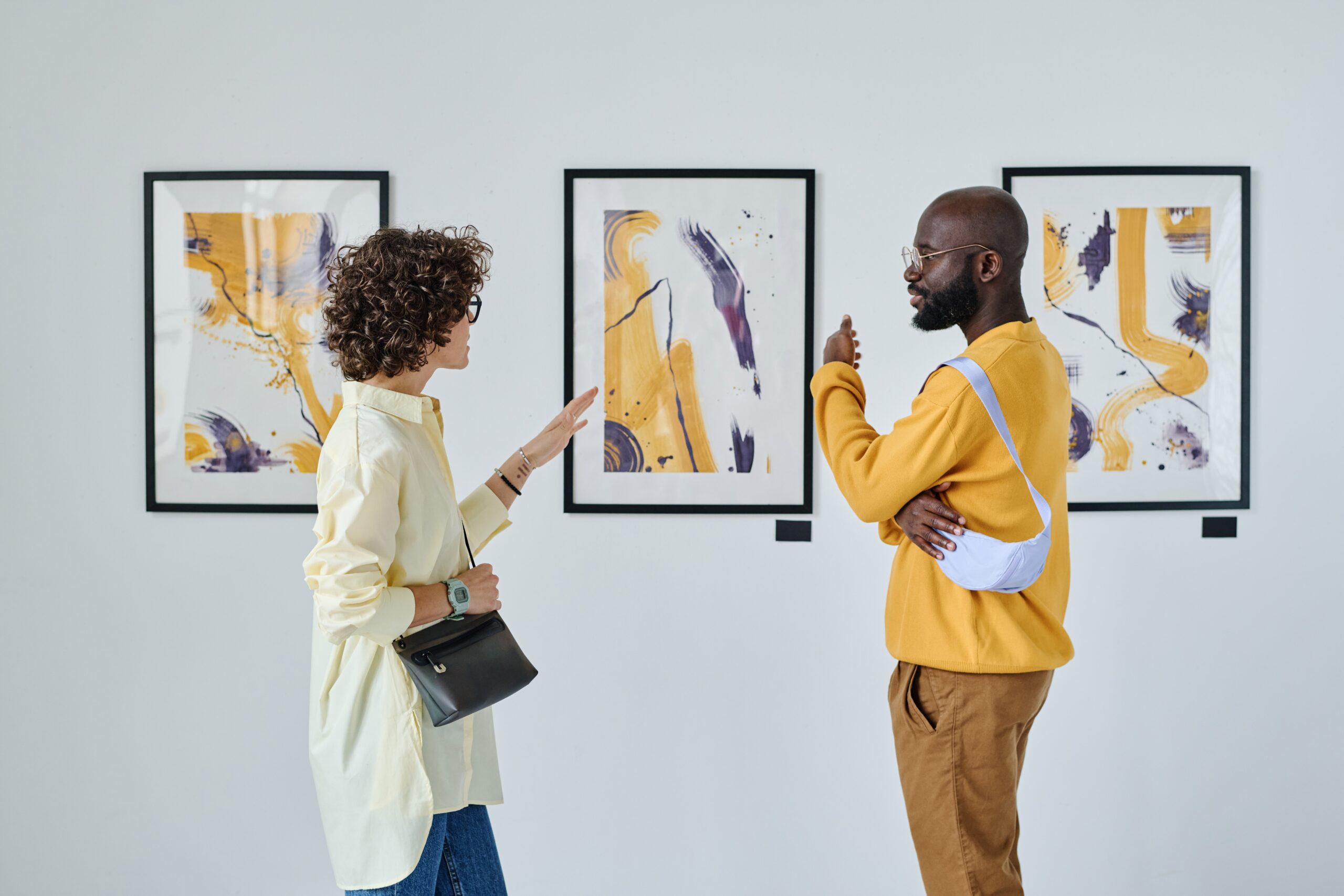
Why do some pieces of art grab your attention while others don’t? That’s where the psychology of art perception comes in. It studies how we interpret color, shape, and meaning.
Research by Rudolf Arnheim showed that visual perception is deeply connected to how we think.
Students in Perception Psychology or Art Psychology courses explore how the brain processes visual information in museum settings.
Social Experiences Influence Visitor Behavior
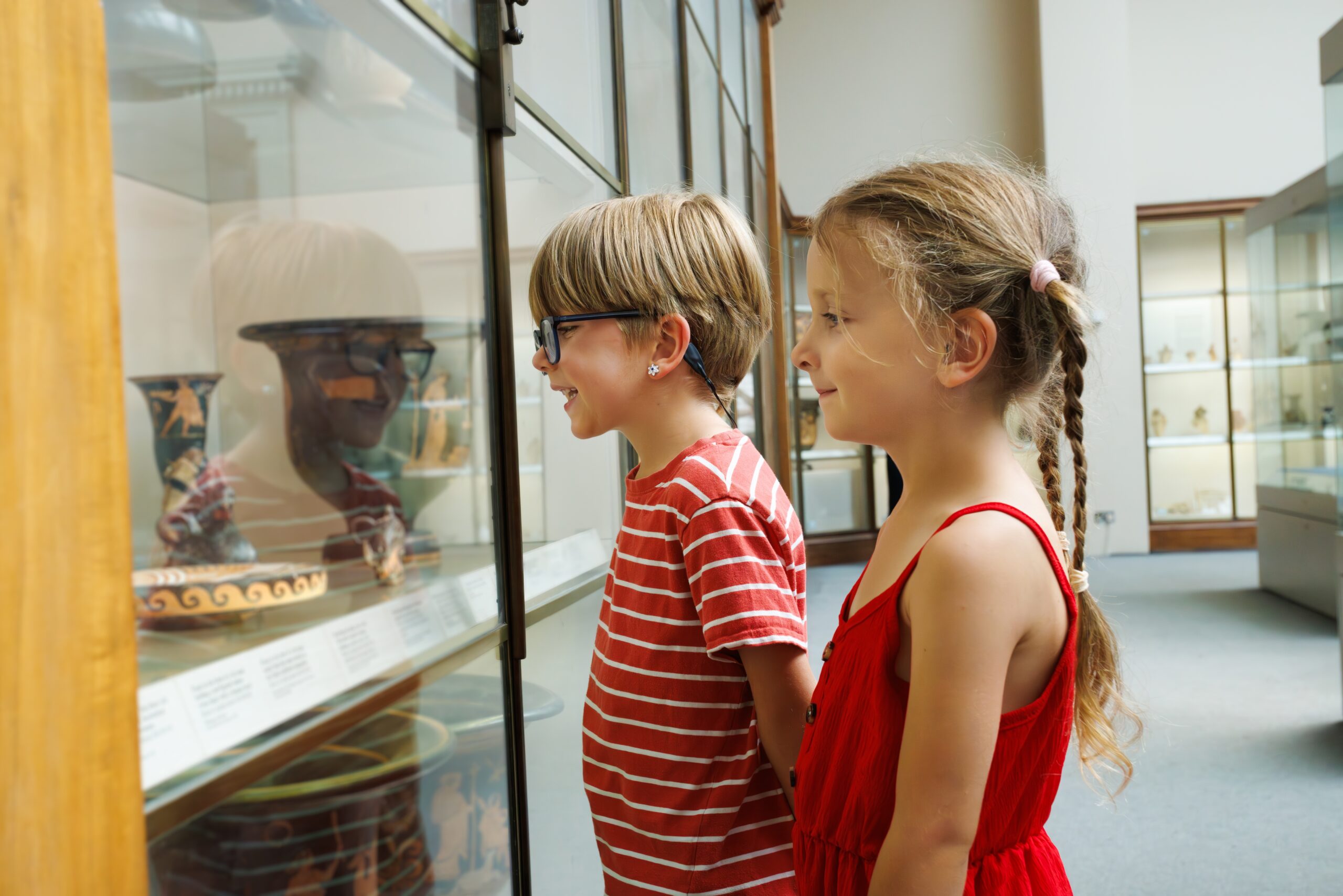
People often visit museums with others, and that changes how they behave. Conversations, shared reactions, and group decisions all affect museum visitor behavior.
Studies by John Falk highlight how social context shapes the museum experience.
This topic is common in Social Psychology and Educational Psychology courses.
Interactive Exhibits Increase Engagement
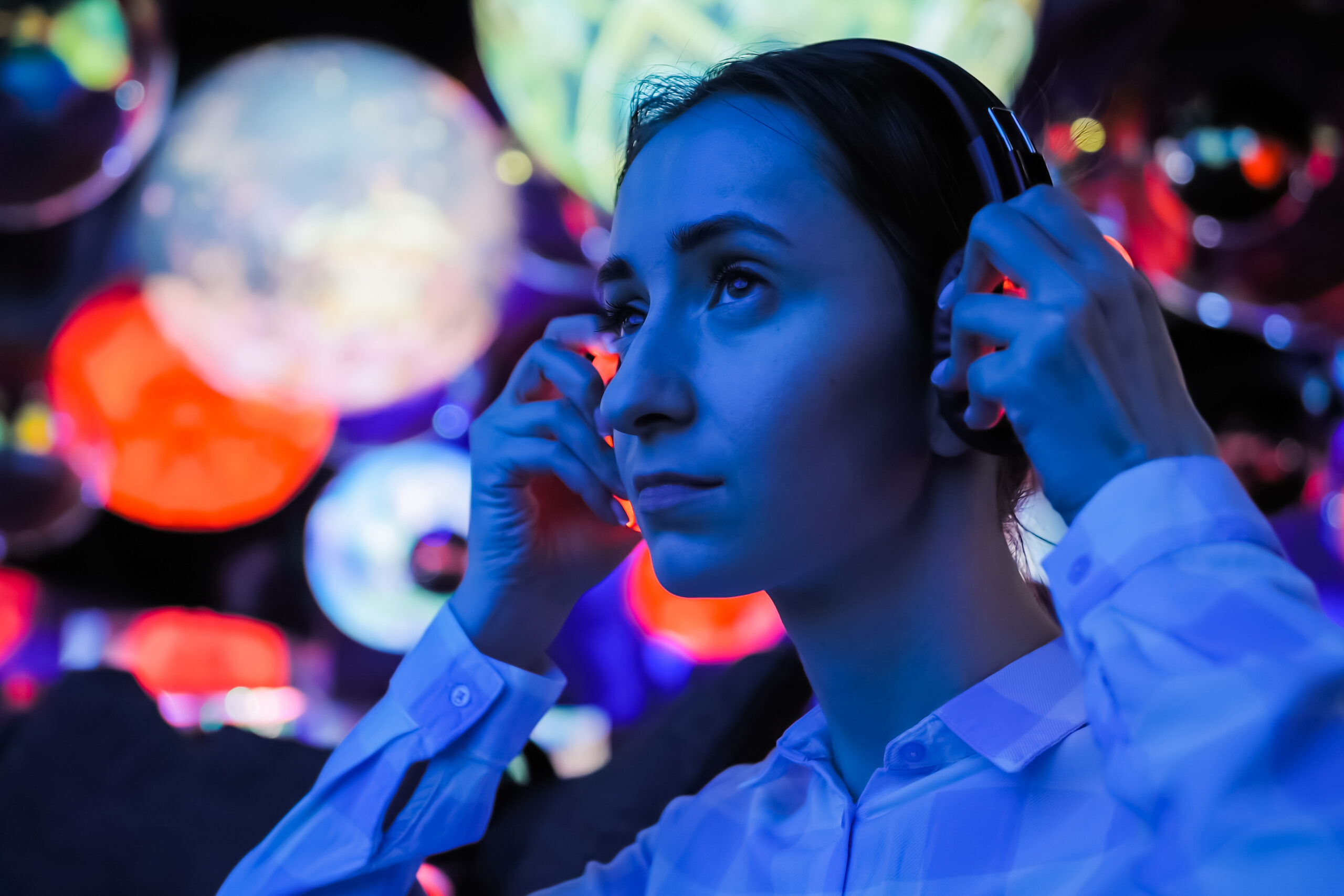
Hands-on exhibits tend to keep people engaged longer. When visitors can touch, try, or interact, they become active learners instead of passive observers.
Featured Programs
This is a key idea in how museums influence learning and is often explored in Learning and Development or Instructional Design courses.
Memory Is Stronger When Experiences Are Personal
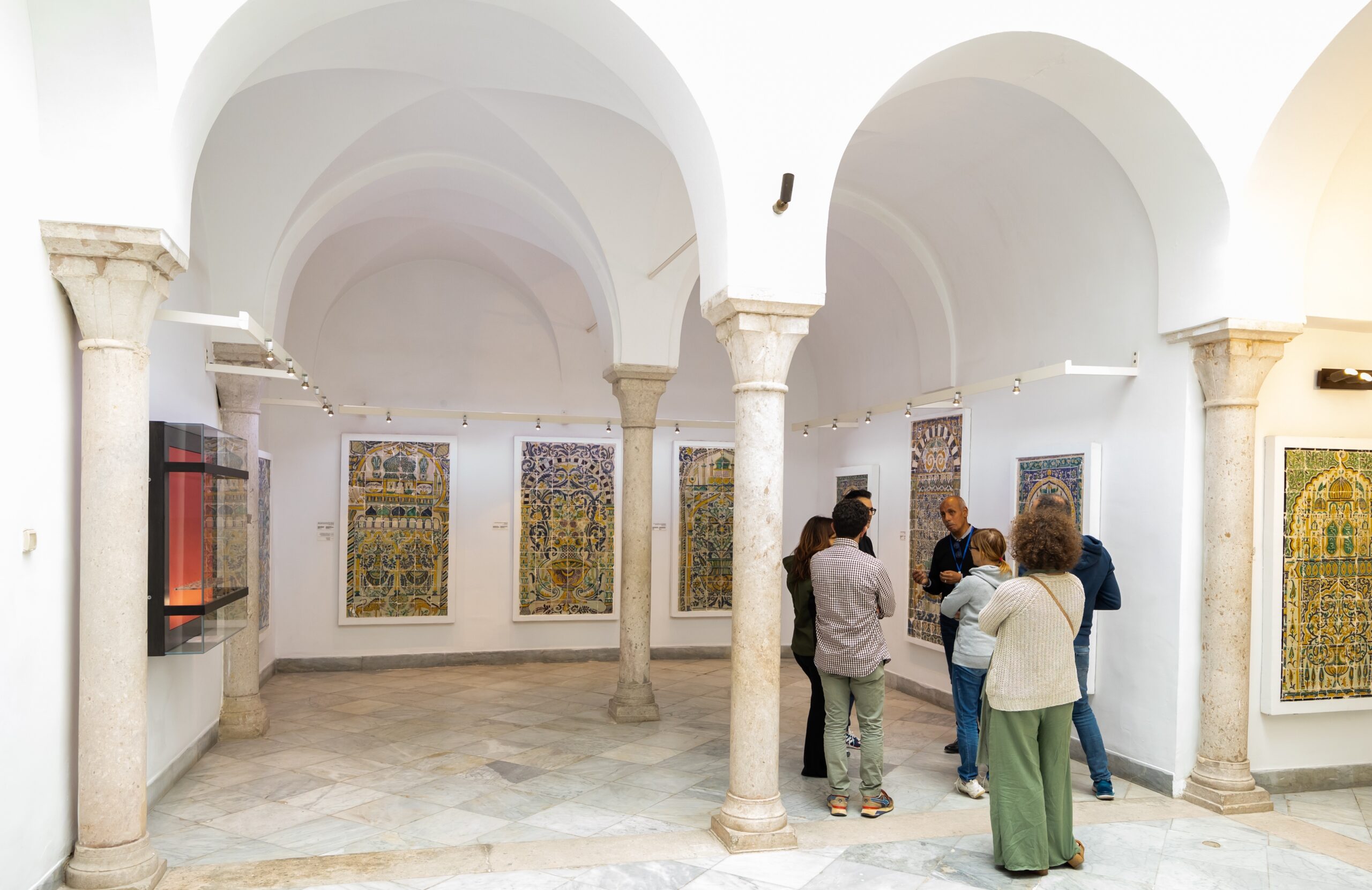
People remember exhibits that connect to their own lives. Personal meaning makes learning stick.
Psychologist Ulric Neisser emphasized how memory is tied to personal experience, which is why museums often include storytelling.
Students studying Memory and Cognition learn how personal relevance improves recall.
Too Much Information Can Be Overwhelming
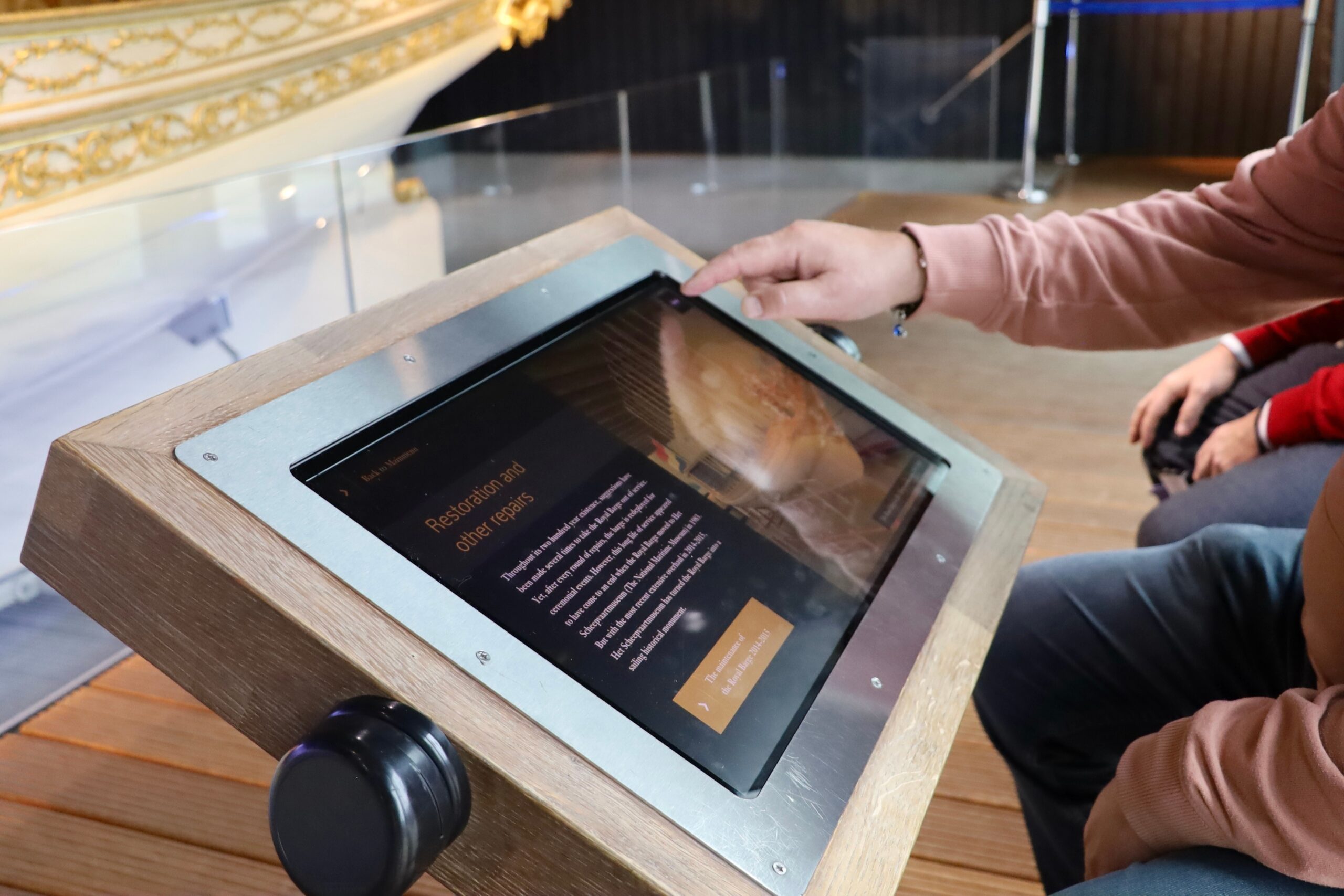
If an exhibit has too much text or too many objects, visitors may feel overwhelmed and disengage. This is called cognitive overload.
The psychology of museums helps designers find the right balance so visitors stay interested without feeling exhausted.
This concept is taught in Cognitive Load Theory within psychology and education programs.
Museums Can Shape Attitudes and Beliefs
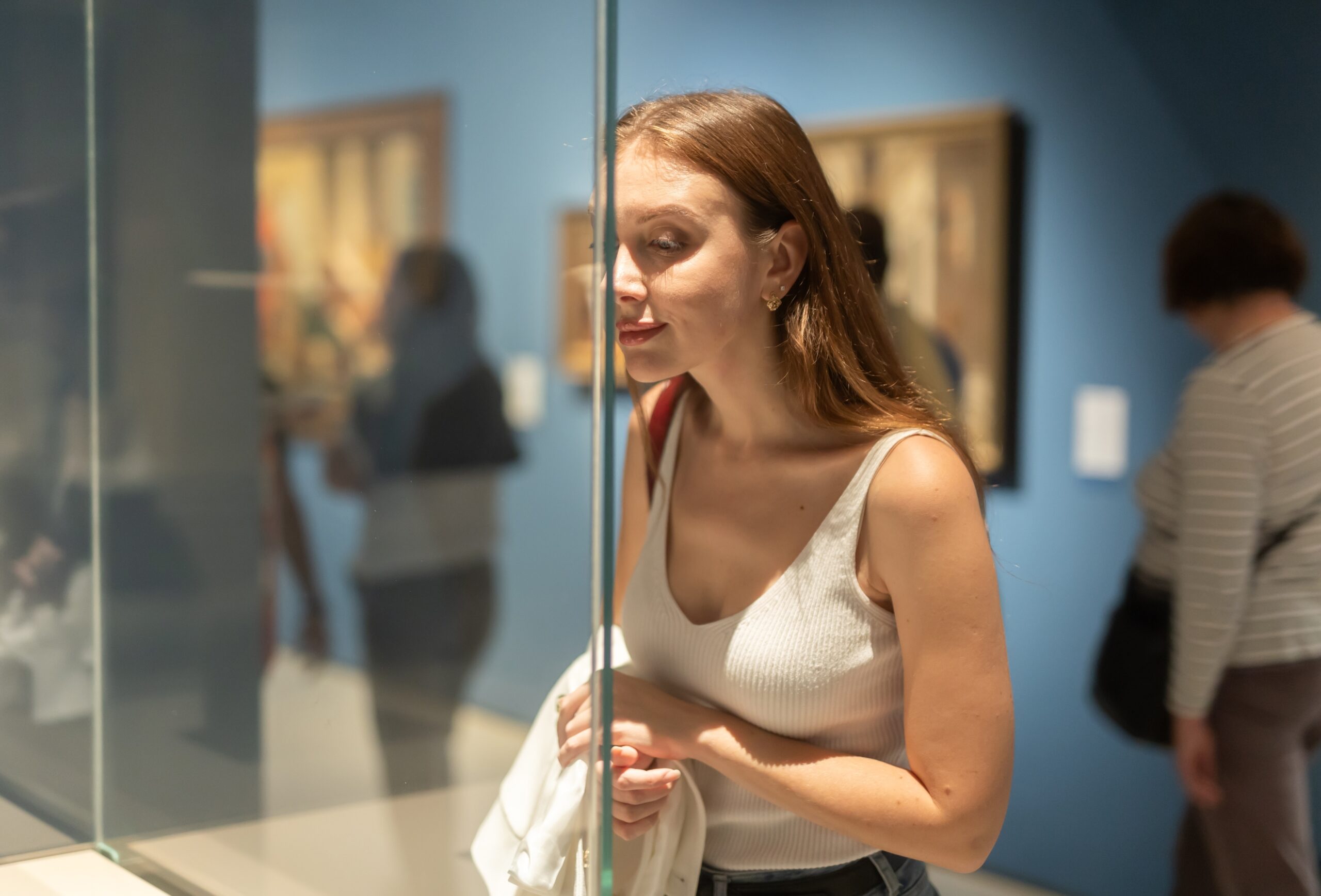
Museums don’t just share facts—they can influence how people think about history, culture, and social issues. This highlights the deeper emotional impact of museums.
Research in persuasion and attitude change, including work by Carl Hovland, shows how information presentation can shift beliefs.
Students may explore this in Social Influence or Cultural Psychology courses.
The Psychology of Museums Opens Career Paths

Studying the psychology of museums can lead to careers in museum studies, exhibit design, education, marketing, and even therapy.
Relevant majors and concentrations include:
- Psychology
- Museum Studies
- Art Therapy
- Educational Psychology
- Human-Centered Design
Many online programs now offer courses that blend psychology with design and communication, preparing students to improve museum experience design and understand museum visitor behavior.
Why the Psychology of Museums Matters
The psychology of museums shows us that learning doesn’t just happen in classrooms—it happens through experiences. By understanding how museums influence learning, students can design better exhibits, create meaningful educational content, and even shape how people see the world.
Whether you’re interested in psychology, education, or design, this field offers a unique way to combine creativity with science—and turn curiosity into a career.
Related Articles:

