
Twice a year, we change our clocks. It seems simple—just an hour forward or back. But that one hour can have a real impact on your brain and body. The psychology of daylight savings explores how these time changes affect sleep, mood, focus, and even long-term mental health.
If you’re thinking about earning an online psychology degree, this topic often shows up in courses like biological psychology, health psychology, and sleep science. Let’s break down 10 important things to know about the psychology of daylight savings—and why it matters for your future career.
Our Brains Run on an Internal Clock.
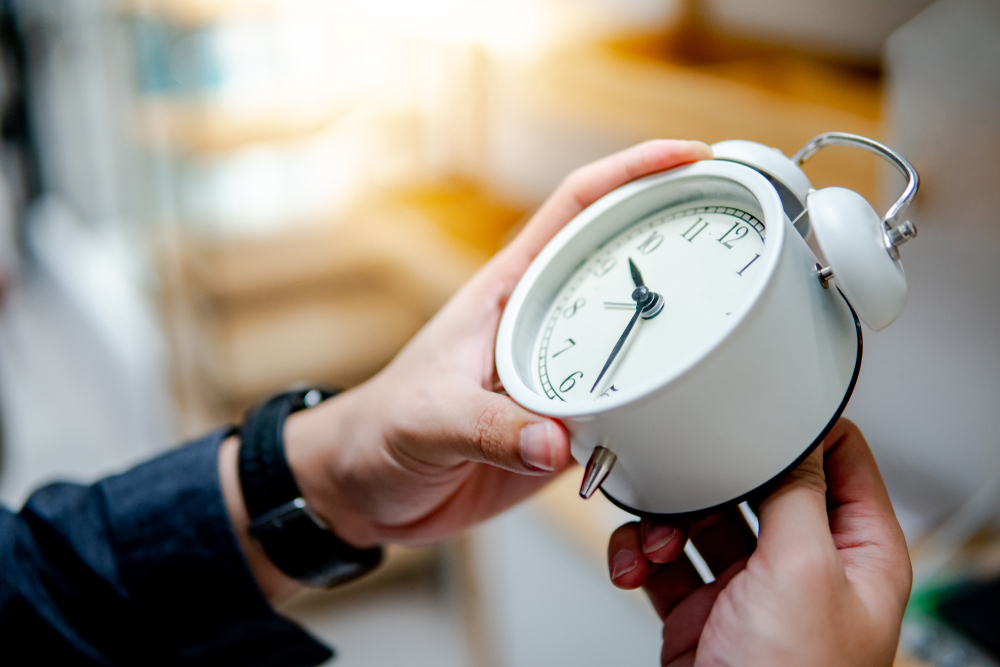
Your body follows a 24-hour cycle called the circadian rhythm. This internal clock tells you when to feel alert and when to feel sleepy. When we switch to daylight saving time, it can cause circadian rhythm disruption.
Sleep researcher Till Roenneberg has studied how social schedules conflict with our natural body clocks. His research shows that even small time shifts can throw off sleep patterns.
In an online psychology degree, students often explore this topic in Biological Psychology or Neuroscience courses.
The Effects of Daylight Saving Time on Sleep Are Real.

Many studies show that people lose sleep when clocks move forward in the spring. The effects of daylight saving time on sleep include trouble falling asleep, feeling tired during the day, and lower focus at work or school.
Research published by American Academy of Sleep Medicine has linked daylight saving time changes to sleep loss and increased health risks.
Students in Sleep Psychology or Health Psychology classes learn how even one hour of lost sleep can affect:
- mood
- memory
- reaction time
Daylight Saving Time Mental Health Impacts Can Be Serious.

The connection between daylight saving time mental health outcomes and time changes has gained attention in recent years. Some studies suggest small increases in symptoms after the spring time shift. These symptoms may include:
- anxiety
- irritability
- depression
Researchers in chronobiology and behavioral medicine continue to study how these changes affect vulnerable populations, especially people already dealing with mood disorders.
If you pursue a psychology degree with a concentration in Clinical Psychology, this is the type of research you may analyze and discuss.
There Is a Link to Seasonal Affective Disorder.

You may have heard of seasonal affective disorder (SAD), a form of depression related to changes in light exposure. The relationship between seasonal affective disorder and daylight saving time is complex, but changes in sunlight patterns can make symptoms worse for some people.
Psychiatrist Norman Rosenthal helped identify and study seasonal affective disorder in the 1980s. His work highlighted how light exposure influences mood.
This topic often appears in Abnormal Psychology and Mood Disorders courses.
Mood Changes Can Happen Quickly.

Some people notice immediate daylight saving time mood changes. They may feel more irritable, foggy, or stressed in the days after the clock shifts.
A 2020 study by University of Colorado Boulder found increases in car accidents and heart-related issues following the spring time change, likely linked to sleep loss.
In psychology programs, students learn how stress and sleep deprivation influence emotional regulation.
Productivity Often Drops After the Time Change.

The psychology of daylight savings also connects to workplace performance. When sleep is disrupted, attention and decision-making suffer.
Featured Programs
Research by Christopher Barnes has shown that sleep loss can lead to lower productivity and even ethical lapses at work.
This is why students in Industrial-Organizational Psychology study sleep and performance in professional settings.
Not Everyone Is Affected the Same Way.

Some people adjust quickly. Others struggle for weeks. Age, genetics, and personality all influence how someone responds to circadian rhythm disruption.
Courses in Developmental Psychology explore how children, teens, and older adults respond differently to sleep changes. For example, teenagers already have later natural sleep schedules, which makes the spring time change even harder.
The Fall Time Change Isn’t Always “Easier”.

While many people enjoy gaining an hour in the fall, it can still disrupt sleep patterns. The effects of daylight saving time on sleep can show up in both directions.
Researchers continue to debate whether permanent standard time would be healthier. Organizations like the American Academy of Sleep Medicine have publicly supported ending clock changes due to health concerns.
Policy debates like this often appear in Public Health and Behavioral Policy courses.
Light Directly Impacts Brain Chemistry.

Exposure to light affects melatonin (the sleep hormone) and serotonin (a mood-related chemical). That’s why the psychology of daylight savings overlaps with brain science.
In Neuropsychology or Biopsychology courses, students learn how light signals travel from the eyes to the brain’s suprachiasmatic nucleus—the control center for circadian rhythms.
Understanding these systems helps future psychologists support clients dealing with daylight saving time mental health challenges.
Studying This Topic Can Lead to Meaningful Careers.

The psychology of daylight savings may seem like a small topic, but it connects to big issues—mental health, workplace productivity, public policy, and sleep science.
With an online psychology degree, you could work in:
- Clinical counseling
- Health psychology
- Sleep research
- Workplace consulting
- Public health advocacy
You might even study seasonal affective disorder and daylight saving time or design programs that reduce the negative impact of daylight saving time mood changes in schools or workplaces.
Why the Psychology of Daylight Savings Matters
The psychology of daylight savings shows how deeply connected our minds and bodies are to time and light. Something as simple as moving the clock forward by one hour can trigger sleep problems, emotional changes, and performance issues.
If you’re considering earning an online psychology degree, topics like this show how research connects directly to real life. From understanding circadian rhythm disruption to exploring the effects of daylight saving time on sleep, you’ll gain knowledge that can help individuals, families, and entire communities.
And that’s what studying psychology is really about—understanding people so we can help them live healthier, more balanced lives.
Related Resources:

