
The human mind is doing far more behind the scenes than we often realize. Many of our thoughts, feelings, and choices are shaped by mental processes we aren’t fully aware of. This is where the psychology of the unconscious comes in.
Understanding the unconscious isn’t just fascinating—it’s also a key part of many psychology degree programs and careers. From therapy to research to marketing, the unconscious mind plays a major role in how people think and behave. Here are 10 important things to know about the psychology of the unconscious, and how this topic shows up in psychology education and careers.
The Unconscious Mind Works Behind the Scenes
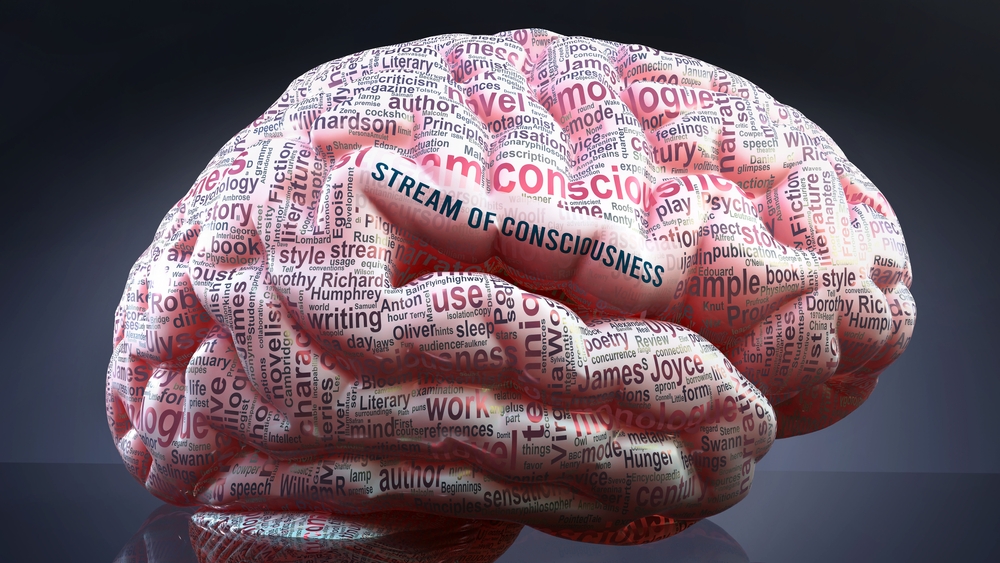
In unconscious mind psychology, the unconscious refers to thoughts, memories, and desires that exist outside of our awareness—but still influence us. You may not realize why you feel uneasy in certain situations or drawn to specific people, but unconscious processes are often at work.
Many introductory psychology courses, such as General Psychology or Foundations of Psychology, introduce students to how unconscious mental activity shapes behavior.
Freud and the Unconscious Changed Psychology Forever

When discussing Freud and the unconscious, it’s impossible to ignore his impact. Sigmund Freud believed that the unconscious mind holds repressed memories and desires, often rooted in childhood, that influence adult behavior.
Freud’s ideas are commonly taught in courses like History of Psychology, Personality Psychology, and Psychoanalytic Theory. While some of his theories are debated today, his work laid the foundation for studying unconscious thoughts and behavior.
Unconscious Thoughts Affect Everyday Behavior

Have you ever reacted emotionally without knowing why? That’s a classic example of unconscious thoughts and behavior in action. Research shows that unconscious biases, habits, and emotional triggers can shape decisions—from who we trust to what we buy.
Students studying Social Psychology or Cognitive Psychology often explore how unconscious processes influence judgment, relationships, and decision-making.
Depth Psychology Focuses on the Unconscious
Depth psychology is a branch of psychology that focuses heavily on unconscious processes. Thinkers like Carl Jung expanded on Freud’s ideas, introducing concepts like the collective unconscious and archetypes—shared symbols found across cultures.
This approach is often covered in Jungian Psychology, Psychodynamic Therapy, or Theories of Personality courses, especially within clinical or counseling psychology programs.
The Subconscious vs Unconscious Mind Isn’t the Same Thing
The debate around subconscious vs unconscious mind can be confusing. While people often use the terms interchangeably, many psychologists make a distinction.
- The subconscious includes thoughts that are not currently in focus but can be easily brought to awareness.
- The unconscious contains deeper mental material that is harder to access, such as repressed memories or instincts.
This distinction often comes up in Abnormal Psychology and Psychotherapy Techniques courses.
Modern Research Supports the Psychology of the Unconscious

Today’s neuroscience supports many ideas related to the psychology of the unconscious. Studies using brain imaging show that the brain makes decisions milliseconds before we become consciously aware of them.
Featured Programs
Researchers like Daniel Kahneman, known for his work on automatic thinking, have shown how unconscious mental shortcuts influence behavior. His research is often studied in Cognitive Science and Behavioral Psychology courses.
Therapy Often Works With the Unconscious

Many forms of therapy aim to uncover unconscious patterns. Psychodynamic therapy, for example, helps clients explore hidden emotions and past experiences that affect current behavior.
Students pursuing degrees in Clinical Psychology, Counseling Psychology, or Mental Health Counseling learn how understanding unconscious mind psychology can improve therapeutic outcomes.
The Unconscious Influences Emotions and Mental Health

Unresolved unconscious conflicts can contribute to:
- anxiety
- depression
- stress
Understanding unconscious emotional patterns helps mental health professionals identify root causes rather than just surface symptoms.
Courses like Psychopathology and Emotion Psychology explore how unconscious processes affect emotional regulation and mental well-being.
The Psychology of the Unconscious Is Used Outside Therapy

The psychology of the unconscious isn’t limited to therapy rooms. It’s also used in marketing, education, and organizational psychology. Advertisers, for example, rely on unconscious associations to influence consumer behavior.
Students interested in careers beyond counseling may encounter these ideas in Industrial-Organizational Psychology, Marketing Psychology, or Human Behavior courses.
Studying the Unconscious Opens Career Doors

Understanding unconscious thoughts and behavior is valuable in many psychology-related careers, including:
- Therapists and counselors
- Researchers and academics
- Human resources professionals
- Marketing and UX specialists
- Social workers and educators
Online psychology degree programs often offer concentrations in clinical psychology, cognitive psychology, or behavioral science—each of which explores aspects of unconscious mind psychology.
Final Thoughts
The psychology of the unconscious helps explain why people act the way they do, even when they can’t fully explain it themselves. From Freud and the unconscious to modern neuroscience, this topic remains one of the most compelling areas of psychology.
For students considering an online psychology degree, learning about the unconscious isn’t just interesting—it’s foundational. Whether you’re drawn to therapy, research, or applied psychology, understanding unconscious processes can shape both your education and your future career.
Related Articles:
- 10 Things to Know About the Psychology of Persuasion
- 10 Things to Know About the Psychology of Depression
- 10 Things to Know About the Psychology of Psychotherapy
- 10 Things to Know About the Psychology of Seasonal Depression
- 10 Things to Know About the Psychology of Anger
- 10 Things to Know About the Psychology of Grief
- 10 Things to Know About the Psychology of Jealousy

